South African Road Signs Explained
Road signs make up almost half of the K53 learner's test. This guide walks through the main types of South African road signs, what they mean, and how to respond to them.
The four main groups of signs
South African road signs fall into a few clear families. Learn the family first — the shape and colour usually tell you what kind of sign it is — and the individual meanings become much easier.
1. Regulatory signs (you must obey)
Regulatory signs give an instruction you are legally required to follow. They come in three styles:
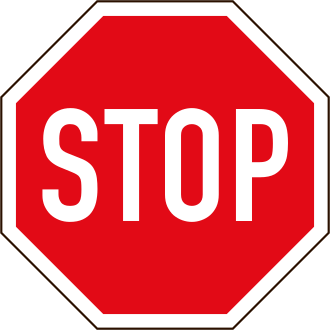
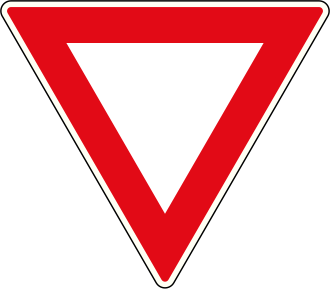
- Control signs — the STOP sign (red octagon) and YIELD / give-way sign (downward triangle).
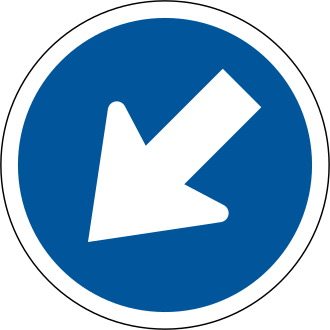
- Command signs — solid blue discs that tell you what you must do, like "keep left", "turn left", or a minimum speed.
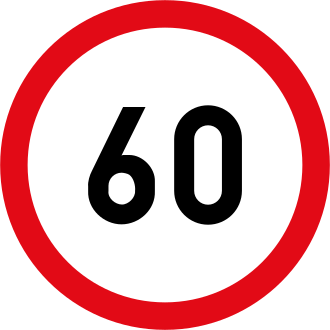
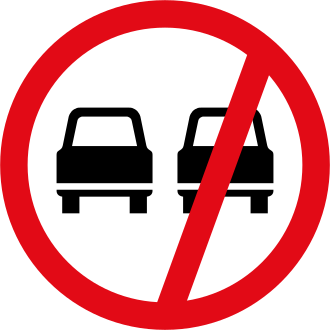
- Prohibition signs — a red ring or red bar meaning something is not allowed, like no overtaking, no parking, no U-turn, or a maximum speed limit.
2. Warning signs (a hazard ahead)
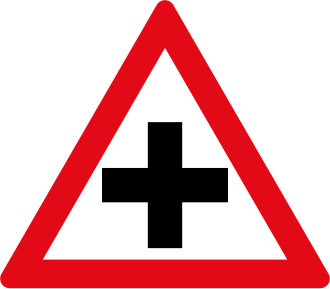
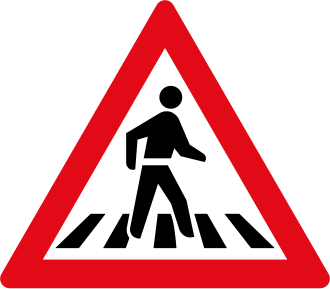
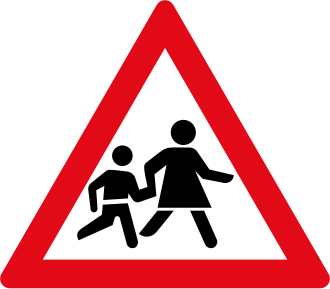
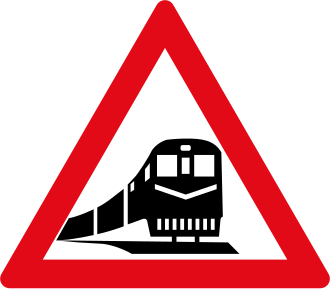
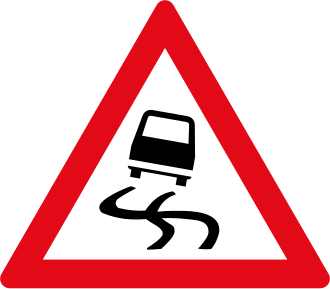
Warning signs are red triangles that warn you of something ahead so you can slow down and prepare — a sharp bend, a crossroad, pedestrians, children, a railway crossing, a slippery road, or animals.
3. Information & guidance signs (helpful info)
These are usually blue or green rectangles that give you useful information — a hospital, fuel, parking, a bus stop, the start of a freeway, or directions. They don't command or prohibit; they inform.
4. Road markings & traffic signals
- A solid (barrier) line may not be crossed to overtake; a broken line may be crossed when it's safe.
- The yellow line on the left marks the edge of the roadway.
- Traffic lights (robots): red means stop and wait; amber means stop if you safely can; a flashing red is treated like a stop sign.
Which order do you obey them in?
If two of them seem to conflict, the order of authority is: a traffic officer overrides traffic signals, which override road signs, which override road markings.
Test yourself on the real signs
Practise with the official road sign artwork — "what does this sign mean?" and "which sign means…?" — free.
Practise road signs free →More guides: How the test works · Rules of the road · Vehicle controls · K53 questions & answers